
Water Damage and Flood Damage Restoration Help in Portage, Indiana
When water or flooding damages your home, business, rental property, or commercial building in Portage, the first steps can affect the entire recovery. Standing water, wet flooring, damaged drywall, ceiling stains, soaked belongings, sump pump failure, roof leaks, and water spreading through the property can create bigger problems if cleanup and drying are delayed.
Water damage restoration may include water extraction, structural drying, moisture testing, cleanup, damaged material removal, repair estimates, and communication with your insurance company. Restoration companies help dry and repair the physical damage, while Ashford DiMartino & Jones helps protect the insurance recovery behind the work by making sure the water damage claim or flood damage claim is properly documented, communicated, and reviewed before the scope is limited too early.

Our Local Indiana Team Fights For YOU
What You Should Know About Water & Flood Damage in Portage, Indiana
We’ve compiled the following resources to help you understand your rights, hold insurers accountable, and maximize your recovery in Portage.
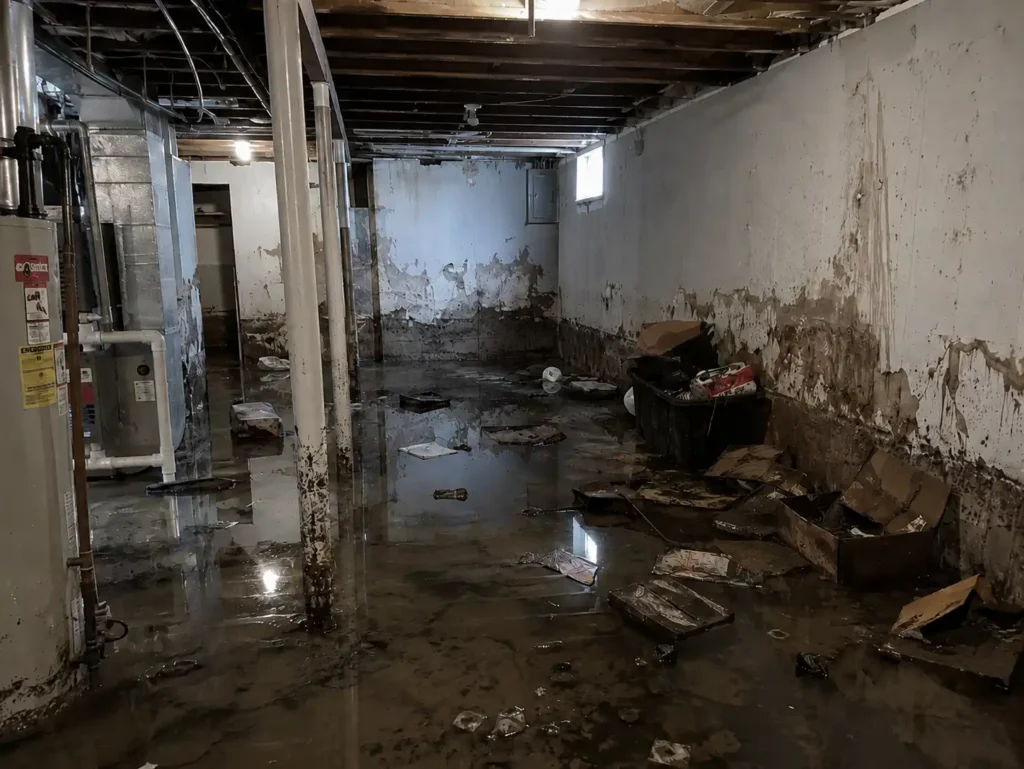
Table of Contents
NWI Service Locations
📍 RESTORATION IN PORTAGE
🔥 OTHER WATER/ FLOOD DAMAGE AREAS
What To Do First After Water or Flood Damage
After water damage or flooding, safety should come first. If your home or business has standing water, electrical concerns, ceiling damage, wet insulation, sewage backup, soft flooring, damaged walls, or possible structural issues, stay away from unsafe spaces and call emergency help if needed.
If it is safe to enter the property or check the affected area, take reasonable steps to keep the damage from getting worse. This may include shutting off the water source, moving belongings away from wet areas, placing a bucket under an active leak, or contacting a water damage restoration company for emergency water removal and drying.
Before anything is removed, repaired, dried, or thrown away, document the damage. Photos and videos can help show the condition of the property before the restoration process begins.
What to document:
- Standing water
- Water Intrusion
- Damaged Ceilings
- Wet Flooring
- Drywall Damage
- Damaged Baseboards
- Leaking Roofs/ Windows
- Sump Pump Failure
- Wet Cabinets/ Furniture
- Damaged Appliances
- Damaged Inventory
- Damaged Personal/ Business Property
The more complete your documentation is, the harder it may be for an insurance company to later argue that certain damage was not covered, was already there, or was not serious enough to include in the claim.
Before the water damage restoration process moves too far ahead, it can help to get guidance on the insurance side of the recovery. This does not mean delaying emergency cleanup, water removal, drying, or safety-related repairs. It means making sure your documentation, communication, and claim process are protected while the physical restoration begins.
DiMartino can help you understand what to save, what questions to ask, what paperwork to review carefully, and how to avoid letting the insurance company narrow the scope of water damage restoration or flood damage restoration too early.
Who Calls the Restoration Company?
Many Portage property owners are unsure whether they should call the restoration company, wait for the insurance company, or speak with a contractor first. In some cases, the homeowner, landlord, or business owner calls directly because water is entering the property, the basement is flooded, flooring is soaked, or drying needs to begin quickly. In other situations, the insurance company may recommend a preferred vendor, or a contractor may suggest bringing in a restoration team.
There is nothing wrong with getting emergency restoration help when the property needs it. SERVPRO and other restoration companies can play an important role in water extraction, structural drying, cleanup, moisture testing, damaged material removal, debris removal, and repairs.
The important thing is understanding that each party has a different role. Restoration professionals address the physical water damage, flood damage, moisture issues, and damaged materials. The insurance company evaluates what it believes should be paid under the policy. Ashford DiMartino & Jones helps property owners protect the insurance recovery connected to the restoration work.
Before assuming the insurance company’s preferred vendor, first estimate, or first inspection includes the full damage, it may help to have DiMartino review what is happening and make sure your water damage claim or flood damage claim is not being limited too early.
Working With Your Insurance Company
After water damage or flooding, your insurance company may assign an adjuster, request documentation, inspect the property, review contractor or restoration estimates, and decide what it believes is covered. That process can feel official, but the insurance company’s first position is not always the complete picture.
Problems can arise when the adjuster misses hidden moisture, undervalues damaged materials, overlooks damage behind walls or flooring, or approves basic drying while refusing to pay for the full repair. This can happen with water damage restoration, flood damage restoration, roof leaks, plumbing failures, sump pump backups, basement flooding, sewage backups, and commercial property losses.
Water and flood damage claims can also raise coverage questions. Depending on the policy and the source of the water, the insurance company may review home insurance with flood coverage, flood insurance, private flood insurance, commercial flood insurance, renters insurance with flood coverage, replacement cost, temporary relocation, damaged contents, and whether certain cleanup or restoration services are included.
Working with your insurance company does not mean accepting everything without question. You have the right to ask questions, review the estimate, compare it against restoration or contractor documentation, and get guidance before signing paperwork or settling the claim.
Ashford DiMartino & Jones helps property owners communicate with the insurance company, review claim documents, and identify when the insurance recovery may not match the actual water or flood damage.
Water and Flood Damage Restoration Is More Than Cleanup
Water damage restoration is often one of the first things people search for after water enters a property because the visible damage feels urgent. If your basement is flooded, your ceiling is leaking, flooring is soaked, or moisture is spreading behind walls, cleanup and drying may need to happen quickly.
But restoration is not only about removing water or drying what is easy to see. It is also about creating a clear record of where the water came from, what areas were affected, what materials need repair, and what the insurance company should consider when reviewing the claim.
If that record is incomplete, the insurance company may later argue that certain damage was unrelated, gradual, pre-existing, excluded, or not covered. That can leave the property owner paying for water extraction, structural drying, damaged material removal, contents cleaning, mold-related concerns, or repairs that should have been included in the recovery.
This is why early guidance matters. DiMartino helps protect the insurance side of water damage restoration and flood damage restoration while contractors and restoration companies focus on the physical cleanup and repair work.
Common Problems After Water or Flood Damage
Water and flood damage claims do not always become difficult right away. Sometimes the problems appear slowly as cleanup, drying, inspections, estimates, and repairs begin.
The insurance company may approve basic water mitigation but deny related repairs. It may argue that the water damage was long-term. It may question whether flooding is covered under the policy being used. It may dispute whether a sump pump failure, roof leak, broken pipe, sewer backup, or outside water caused the damage. It may approve drying but fail to include damaged drywall, flooring, cabinets, insulation, furniture, inventory, equipment, labor, code requirements, overhead, or restoration costs needed to return the property to its pre-loss condition.
In a flood damage claim, the insurer may agree that water entered the property but dispute the full scope of the loss. It may also question whether flood insurance applies or whether all water, moisture, contents, and structural damage should be covered. For business owners, the claim may involve damaged inventory, interrupted operations, lost income, equipment replacement, tenant concerns, and the timeline needed to reopen.
These issues matter because a low estimate can shape the rest of the recovery. If the insurance company limits the scope early, water damage restoration or flood damage restoration may become slower, harder, and more expensive for the property owner.
Why Documentation Matters Before Repairs Begin
Documentation is one of the most important parts of water damage restoration and flood damage restoration. Photos, videos, estimates, invoices, moisture readings, drying logs, inspection reports, contractor notes, contents lists, and communication records can all help show what happened and what repairs may be needed.
Before wet materials are removed, before damaged flooring is pulled up, before drywall is torn out, before soaked belongings are discarded, and before permanent repairs begin, the damage should be documented as thoroughly as possible. If emergency water removal, drying, or cleanup must begin right away, document as much as you can before and during that process.
Keep copies of everything connected to the restoration and insurance claim.
This includes:
- Insurance letters
- Claim Numbers
- Adjuster Reports
- Contractor Estimates
- Restoration Invoices
- Emails
- Text Messages
- Receipts
- Moisture Readings
- Photos from anyone who inspects the property
Ashford DiMartino & Jones can help review these materials and identify whether the insurance company’s estimate matches the documented water damage, flood damage, contents damage, structural damage, and restoration needs.
Water and Flood Damage Restoration for Homes and Businesses
Water damage and flooding can affect homes, businesses, rental properties, apartment buildings, retail spaces, offices, warehouses, restaurants, and other commercial buildings throughout Portage, Porter County, and Northwest Indiana.
Homeowners may be dealing with flooded basements, roof leaks, plumbing failures, sump pump problems, damaged flooring, wet drywall, damaged cabinets, damaged belongings, temporary relocation, and questions about insurance coverage. Renters may have questions about damaged belongings, temporary housing, and whether renters insurance with flood coverage applies. Business owners may face damaged inventory, equipment loss, interrupted operations, lost income, tenant concerns, emergency cleanup, and pressure to reopen quickly.
Commercial water damage and commercial flood insurance claims can become especially complicated because the insurance company may dispute more than the physical damage. It may also question the source of the water, the cost of repair, the timeline for restoration, business interruption, lost income, or the financial impact on the business.
Whether the property is residential, rental, or commercial, the recovery process should protect both the building and the insurance claim connected to it.
When To Contact Ashford DiMartino?
You do not have to wait until your water damage claim or flood damage claim is denied to contact Ashford DiMartino & Jones.
It may be helpful to reach out when water damage first happens, when flooding is discovered, when a water damage restoration company is beginning work, when an insurance adjuster or flood damage adjuster is scheduled to inspect the property, or when the first estimate seems too low.
You should also consider contacting DiMartino if the insurance company is delaying the claim, disputing the source of the water, refusing to pay for certain repairs, ignoring contractor estimates, questioning water damage restoration costs, disputing flood damage restoration, undervaluing damaged contents, or pressuring you to accept a settlement.
The earlier DiMartino understands what is happening, the easier it may be to help protect documentation, review the policy, and identify issues before the claim becomes harder to fix.
Serving Portage and Northwest Indiana
Ashford DiMartino & Jones helps homeowners, renters, business owners, landlords, commercial property owners, homeowners associations, and property managers throughout Portage, Porter County, and Northwest Indiana with water damage restoration guidance, flood damage restoration guidance, and insurance claim support.
The firm understands that water damage can affect more than a building. It can disrupt your family, your business, your tenants, your income, your belongings, and your sense of stability. When the insurance recovery does not match the actual damage, the process becomes even more stressful.
Whether your loss involves water damage, flood damage, flooding, water damage restoration, flood damage restoration, flood insurance, private flood insurance, commercial flood insurance, renters insurance with flood coverage, home insurance with flood coverage, or a disputed water damage insurance claim, Ashford DiMartino & Jones can help protect the recovery while the property restoration moves forward.
(Note: We also have dedicated hubs for our neighbors in Chesterton and Michigan City.)
Meet Your Portage Insurance Coverage Attorneys

C. Anthony “Tony” Ashford
Partner / Ashford DiMartino & Jones

Guy S. DiMartino
Partner / Ashford DiMartino & Jones

Angela M. Jones
Partner / Ashford DiMartino & Jones
Our Track Record Inspires Confidence
With more than 20 years of experience, C. Anthony “Tony” Ashford and Guy S. DiMartino have successfully negotiated settlements, litigated cases, lectured on insurance matters, and served as counsel for various businesses. Together, they are dedicated to protecting families, businesses, and organizations—such as homeowners and condominium associations.
Angela M. Jones, an accomplished trial attorney with over a decade of expertise, focuses on clients in personal injury, business litigation, and municipal law. Her reputation for strategic litigation and relentless advocacy has earned her recognition, including an impressive $8.25 million jury verdict in a recent insurance bad faith case. This monumental win underscores her determination and skill in holding powerful insurance companies accountable.
Get Water Damage and Flood Damage Restoration Guidance
If your property in Portage was damaged by water or flooding, cleanup and drying may need to happen quickly. But the restoration process should not move forward without protecting the insurance recovery behind it.
Before you accept an insurance estimate, sign paperwork you do not understand, or assume the adjuster saw everything, contact Ashford DiMartino & Jones. Restoration companies help dry and repair the property. DiMartino helps protect the recovery behind it.
Get A Free Claim Review